

From Isaiah’s Ancient Prophecies to John’s Visions in Revelation, Discover Why God Reveals the Future, How His Promises Unfold Through History, and What the Bible Teaches About the Ultimate Victory of Jesus Christ

📚 DISCOVER TROY ANDERSON’S BESTSELLING BOOK COLLECTION
Explore Troy Anderson’s inspiring collection of books on biblical prophecy, faith, spiritual warfare, and revival—including his bestselling collaborations with Pastor Paul Begley Revelation 911 and Trump vs. the Beast. Discover powerful insights and extraordinary stories to strengthen your faith and deepen your understanding of the times.
THE BOOK OF REVELATION EXPLAINED
Understanding Biblical Prophecy, the End Times, and the Ultimate Victory of Jesus Christ
PART I · THE REVELATION OF JESUS CHRIST
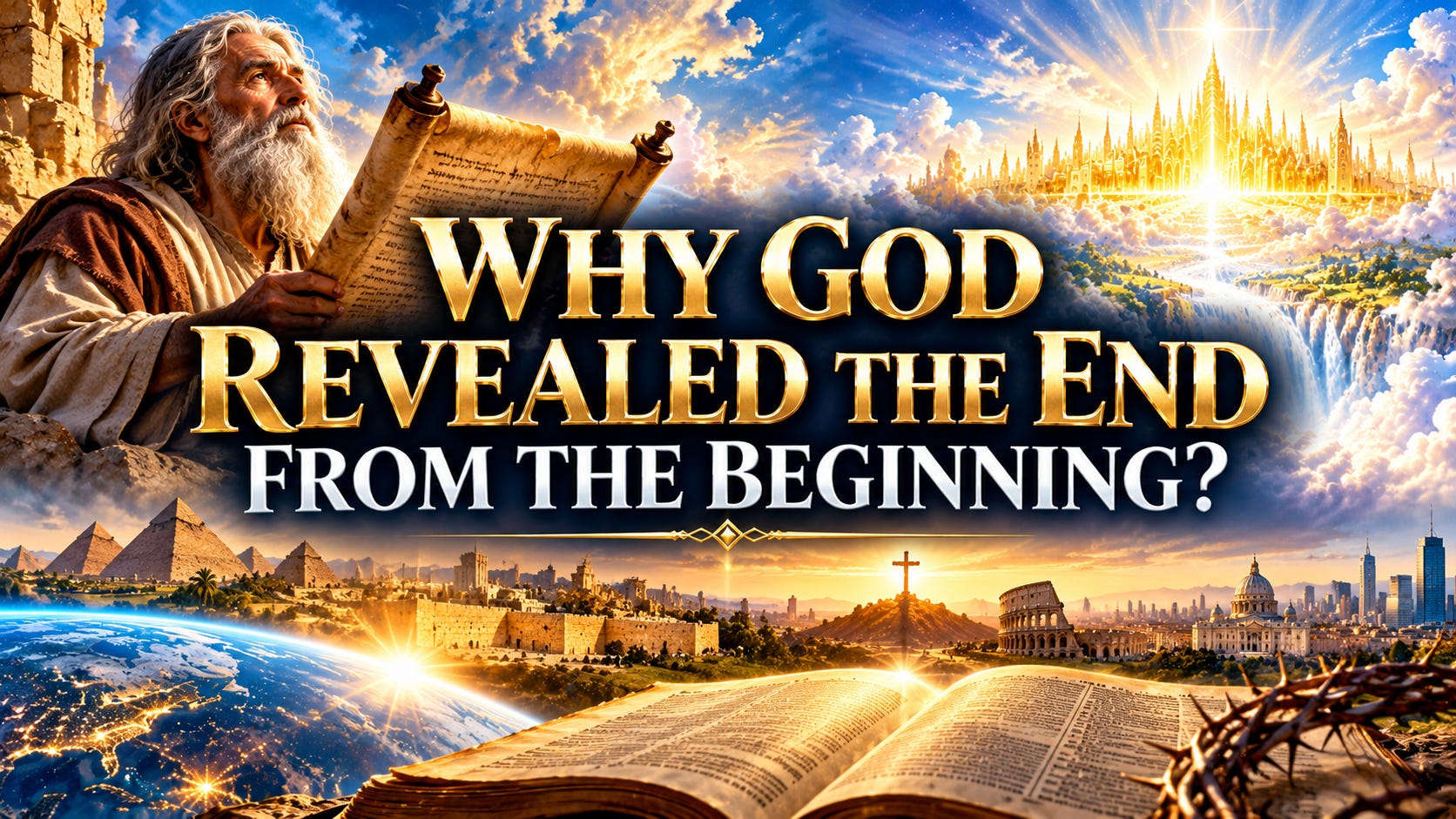
Chapter 1: Why God Revealed the End From the Beginning
Why Does God Reveal the Future? Exploring the Purposes of Biblical Prophecy—Repentance, Preparation, Faith, and Hope.
The God Who Knows the Beginning and the End
What if the greatest mystery of biblical prophecy is not when the world will end, but why God chose to reveal the future to humanity in the first place?
For thousands of years, people have searched for answers about what lies ahead. Ancient civilizations consulted oracles, kings sought guidance before battles, and generations of believers studied the writings of the prophets, hoping to understand the unfolding purposes of God. Today, amid wars, geopolitical uncertainty, economic instability, and extraordinary technological developments, questions about the future remain as urgent as ever. Yet the Bible approaches these questions from a perspective fundamentally different from human attempts to predict tomorrow. It introduces us to a God who declares that He knows the end from the beginning.
Centuries before the Apostle John received his extraordinary visions on the island of Patmos, the prophet Isaiah recorded a declaration that provides one of the most important foundations for understanding biblical prophecy.
Isaiah 46:9–10 (KJV)
“Remember the former things of old: for I am God, and there is none else; I am God, and there is none like me,
Declaring the end from the beginning, and from ancient times the things that are not yet done, saying, My counsel shall stand, and I will do all my pleasure:”
These remarkable words were spoken in a world dominated by powerful empires, competing religions, and widespread uncertainty. In Isaiah 46, God contrasts His sovereignty with the helplessness of idols that must be carried by human hands. Unlike the false gods of the nations, the Lord declares that His purposes will stand and that He possesses the power to accomplish what He has promised. For believers, this passage offers something far greater than the possibility of knowing future events: it reveals the character of a faithful God whose purposes are not defeated by the rise and fall of earthly kingdoms.
Why Would God Reveal the Future?
Throughout the Bible, prophecy serves purposes far greater than satisfying human curiosity. God reveals His intentions to demonstrate His sovereignty, call people to repentance, strengthen faith, prepare His people for difficult times, and assure them that His promises will ultimately be fulfilled. When Jesus prepared His disciples for the events surrounding His crucifixion, He explained that foretelling what would happen could strengthen their belief when those events came to pass. Likewise, the ancient prophets repeatedly warned nations about the consequences of injustice, idolatry, and rebellion while extending invitations to repentance and restoration.
This understanding becomes especially important when we approach the Book of Revelation. Although its dramatic visions of the seven seals, the Four Horsemen, the Beast, Babylon, and the final judgment have inspired centuries of debate, the book begins with a declaration that identifies its central subject: “The Revelation of Jesus Christ” (Revelation 1:1, KJV). Its ultimate message is not that humanity should live in constant fear of approaching catastrophe, but that Jesus Christ reigns, God’s promises remain trustworthy, and evil will not have the final victory.
Nevertheless, Revelation raises profound questions that deserve careful examination. Why did God reveal these extraordinary visions to John? How do they connect with the prophecies of Isaiah, Daniel, Ezekiel, and Zechariah? What did Revelation mean to the first Christians who received it, and how should believers interpret its symbols and warnings today? Most importantly, how can studying biblical prophecy strengthen our faith rather than lead us into fear, confusion, or speculation?
These questions form the foundation of our first chapter in The Book of Revelation Explained.
Continue the Journey Through Revelation
The Book of Revelation Explained is a 30-part biblical study series by Troy and Irene Anderson, presented through the Revelation Watchers Prophecy Library. To our faithful paid subscribers, thank you for your generous support! Your partnership makes these in-depth studies possible and helps us share God’s Word and spread the Gospel. This series is our special gift of appreciation to you.
We believe everyone should have access to God’s Word, regardless of financial circumstances. If you cannot afford a paid subscription, please email RevelationWatchers@gmail.com for complimentary access. We warmly invite you to become a paid subscriber to enjoy the complete series and partner with us in sharing the Good News of Jesus Christ.
